
In this article
- → What calendar variables are and why they matter in MMM
- → The five types: dummy, window, interval, trend, and periodic
- → A real-world example for each type
- → How MassTer makes building calendar variables straightforward
A MASS Analytics guide to calendar variables. To run a successful marketing mix modeling project, you need a strong grasp of both statistics and business knowledge. Choosing the right variables is crucial — variables that reflect real consumer behavior and market dynamics, including calendar variables.
This article covers calendar variables in marketing mix modeling: what they are, how each type works, and how they improve model accuracy, statistical robustness, and real-world relevance. With the right MMM insights, businesses can understand their customers better, invest more wisely, and maximize ROI.
Understanding Calendar Variables
Calendar variables are time-related factors that influence consumer behavior and purchase patterns. You use them to model external and uncontrollable factors — such as a product going out of stock, a special discount, or network problems — or specific events such as Christmas, Black Friday, or payday. Calendar variables in marketing mix models help businesses understand how different time periods affect their marketing outcomes.
Five types of calendar variables: Dummy · Window · Interval · Trend · Periodic. Each captures a different dimension of time in your model.
Dummy Variables
A dummy variable is a binary variable that marks the occurrence of an event in a particular period (e.g., a week). If a product goes out of stock for one period (see Figure 1), you create a dummy variable to capture the impact of that shortage.
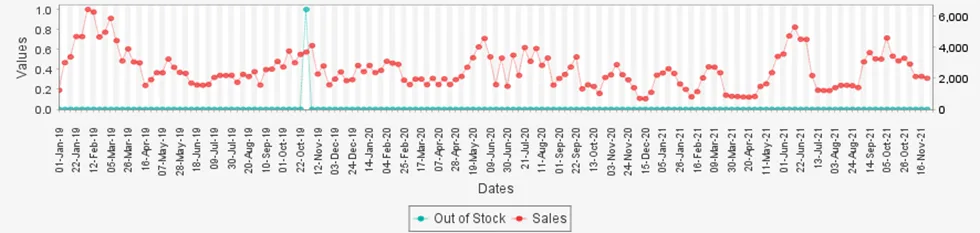
Figure 1: Dummy variable showing the day the store went out of stock
A word of caution: Use dummy variables carefully. Creating too many without understanding their significance risks overfitting the model.
Window Variables
Window variables model factors that span over time. Unlike a dummy variable — which covers a single period — a window variable chains a sequence of dummies to account for events that unfold over multiple periods. For example, if a store closes for refurbishment, you create a window variable to capture the impact.
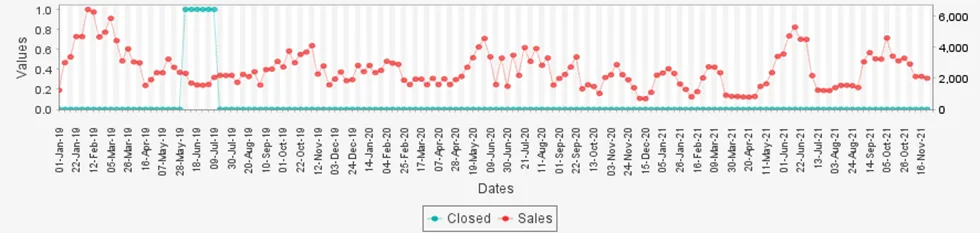
Figure 2: Window variable representing the Store Closing Period
Another example: a window variable can represent the COVID period and quantify its effect on sales.
Interval Variables
Interval variables are a concatenation of windows. You can use them to represent different promotional periods or recurring events. For instance, if a retailer runs four promotional periods (see Figure 3), an interval variable with four windows captures the effect of each promotion — letting you disentangle the promotional impact on sales.

Figure 3: Interval variable showing the impact of Fall and Spring Promotions
Trend Variables
Trend variables model the gradual rise or fall of a specific KPI. For example, if market growth drives both your sales and competitors’ sales, a trend variable captures that shared effect. Always back the trend with supporting variables that justify its inclusion.
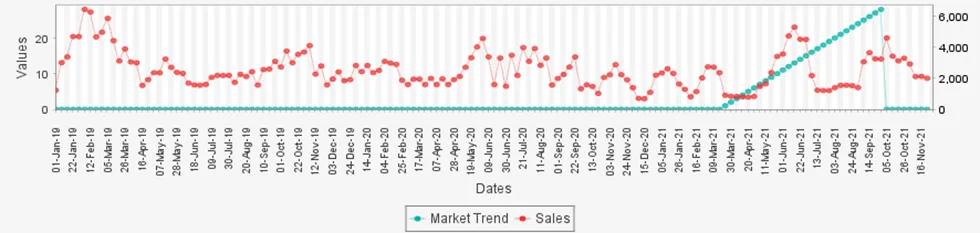
Figure 4: Trend Variables
“Always have supporting variables that justify the creation of the trend — this keeps the model grounded in real business logic.”
Periodic Variables
Periodic variables model repetitive events — paydays, monthly seasonality, and similar patterns. Using periodic processors, you create a variable that flags when a specific date falls within a given week. A variable representing the 25th of each month, for example, takes a value of 1 in any week where that date falls (see Figure 5). This lets you measure payday’s impact on sales, on the assumption that people spend more after receiving their salaries.
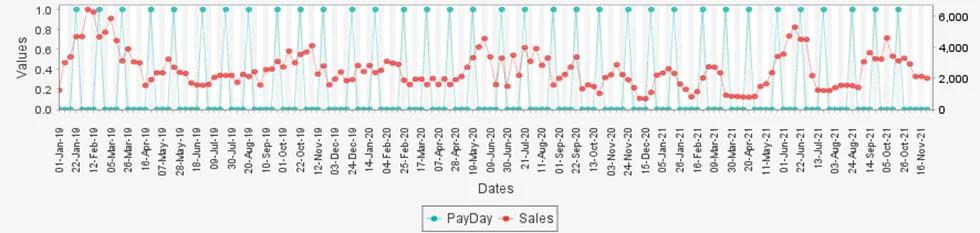
Figure 5: PayDay Calendar Variable
Conclusion
Calendar variables give businesses deeper insight into how time-related factors shape marketing performance. Whether dummy, window, interval, trend, or periodic, each type captures a different dimension of time — and using them well sharpens both model accuracy and strategy.
MASS Analytics built MassTer with calendar variables at its core. The platform includes a dedicated data processing module with intuitive tools for building every type of calendar variable. By accounting for the nuances of time, businesses can optimize their marketing mix and drive better outcomes.
Key Takeaways: Calendar Variables in MMM
- ✓ Dummy variables mark a single-period event — use them sparingly to avoid overfitting.
- ✓ Window variables span multiple periods, ideal for store closures or external shocks like COVID.
- ✓ Interval variables chain several windows to capture recurring promotions or seasonal events.
- ✓ Trend variables model gradual KPI shifts — always justify them with supporting data.
- ✓ Periodic variables flag repeating dates (e.g., payday) to measure their cyclical effect on sales.
Related Articles
|
Spend, Clicks, or Impressions? Selecting The Right Metric to Model in MMM |
How to Measure Brand Correctly in Your Marketing Mix Model |
Hierarchical Modeling in MMM: From Big Picture to Fine Details |



See calendar variables in action
MassTer includes a dedicated module for building every type of calendar variable — no coding required.